
Mar. 18, 2026
Selecting the right lifting equipment is a strategic decision that impacts your operational safety, workflow efficiency, and long-term profitability. For plant managers, procurement specialists, and project engineers across heavy industries, understanding how a heavy duty overhead crane performs in specific applications is the first step toward optimizing your material handling processes. This article examines the primary industrial sectors where these cranes are indispensable and outlines the critical considerations for integrating them into your facility.
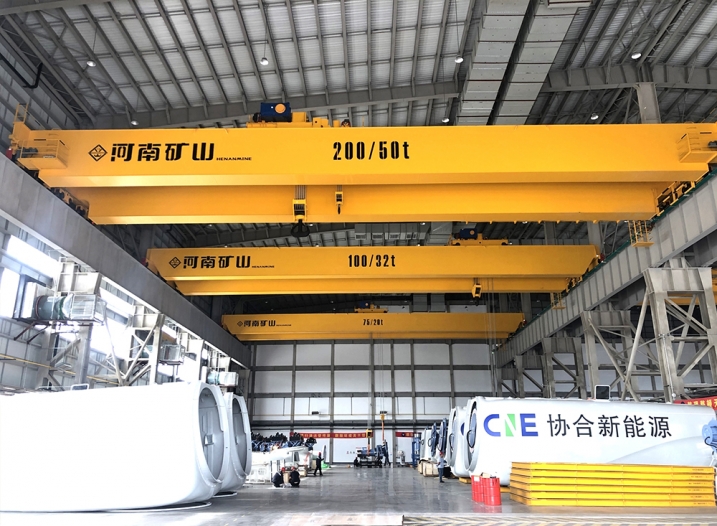
In steel mills and metal service centers, your production never stops, and your equipment must match that endurance. Here, a heavy duty overhead crane is not just a tool; it is the backbone of your workflow. You face challenges like moving molten metal, handling hot slabs, and stacking finished coils in high-density storage areas.
To meet these demands, your crane requires features designed for extreme durability. You need hoists with high-duty cycle ratings (such as FEM 4m or ISO M8) to handle continuous operation without overheating. Specialized attachments, like motorized grabs for scrap charging, heavy-duty magnets for plate handling, or telescoping coil tongs, become essential for efficient load engagement. Furthermore, in environments with intense heat or dust, you must consider operator safety. Enclosed, air-conditioned cabins and reliable heat shielding for critical components ensure your team can operate the heavy duty overhead crane safely and productively around the clock. When specifying a crane for this sector, prioritize suppliers who demonstrate robust quality control in steel structure fabrication and welding, as these are the foundations of long-term reliability under stress.

Modern shipbuilding relies on assembling enormous prefabricated blocks, often weighing several hundred tons. Your facility needs a heavy duty overhead crane—frequently a gantry type—capable of lifting these modules with the precision required for accurate alignment during hull assembly.
The critical requirement here is control. You need synchronized tandem lifting capabilities, where two or more cranes work in perfect unison to handle an oversized load. An advanced anti-sway system is non-negotiable; it allows your operators to position massive blocks accurately, reducing the time and effort needed for alignment and minimizing the risk of damage to delicate structures. As your yard layout or project scope changes, the flexibility of your lifting equipment becomes an asset. Opt for a heavy duty overhead crane with a modular design. This allows for future adjustments, such as increasing the span or lift height, ensuring your investment remains viable as your shipbuilding capabilities evolve. Henan Mine has supported projects like the Mombasa-Nairobi Railway, demonstrating the capability to engineer cranes for large-scale infrastructure demands, which translates directly to the rigorous needs of shipbuilding.
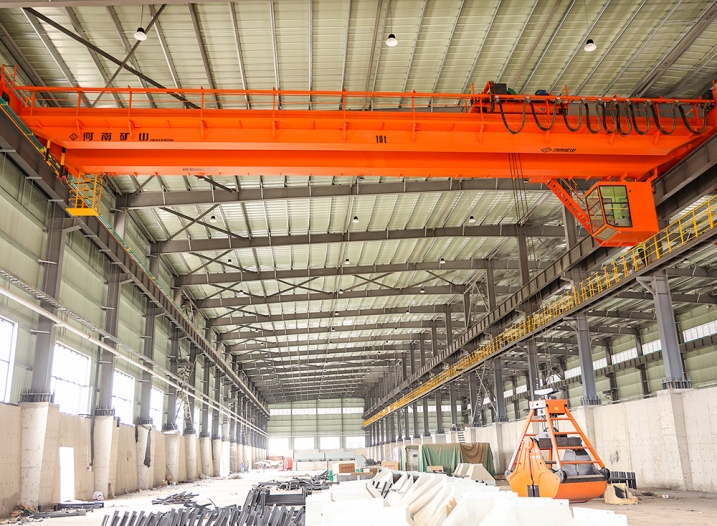
In facilities producing mining trucks, wind turbine components, or large presses, the heavy duty overhead crane is an integral part of your assembly line. It must interface seamlessly with your production rhythm, handling oversized components like engine blocks, gearboxes, or rotor hubs.
Your focus is on workflow integration. The crane needs variable frequency drives (VFDs) for smooth acceleration and deceleration, preventing load swing during critical placement. Micro-speed functionality gives your team the fine control needed to align precisely during assembly tasks. Beyond lifting, the crane contributes to your overall operational intelligence. Modern systems can integrate with your plant's monitoring network, providing data on usage patterns and component health. This allows your maintenance team to shift from reactive repairs to predictive scheduling, reducing costly unplanned downtime. When evaluating solutions, consider how the heavy duty overhead crane's control system can connect with your existing warehouse management or production scheduling software to streamline material flow from receiving to final assembly.
The energy sector—whether thermal, nuclear, or renewable—presents unique challenges for a heavy duty overhead crane. Your projects often involve confined spaces, hazardous environments, or sensitive, high-value components that demand extreme care.
For thermal plants, you might need cranes for turbine hall maintenance or for handling heavy components during outages. Here, explosion-proof options and reliable braking systems are paramount for safety.
In wind power, assembling towers and nacelles requires cranes with exceptional lifting heights and the ability to handle long, delicate blades with specialized spreader beams to prevent damage.
Nuclear applications demand the highest level of rigor. Your crane must comply with stringent seismic certifications and incorporate redundant safety features, often with components rated for radiation resistance.
While container operations use specialized equipment, bulk cargo handling—for commodities like steel coils, logs, or scrap metal—often relies on the versatility of a heavy duty overhead crane. In your port or logistics center, maximizing throughput is the primary goal.
Your crane must deliver fast cycle times while adapting to diverse cargo types. This is achieved through quick-change spreader systems, allowing a single crane to switch from handling coils with a C-hook to moving bulk materials with a motorized grab. To optimize your yard logistics, consider integrating the crane's control system with your warehouse management system (WMS). Real-time data on load weights and inventory movements helps you manage stock more accurately and plan vessel loading more efficiently. Additionally, for outdoor applications exposed to marine environments, specify cranes with high-grade corrosion protection and weatherproofing to ensure longevity and reduce maintenance intervals.
Across all these applications, the common denominator is the need for uncompromising quality. The performance data you expect from a heavy duty overhead crane is only as reliable as the manufacturing processes behind it.
At Henan Mine, quality control is embedded from the moment raw materials arrive. Your crane's journey begins with rigorous inspections of steel plates and welding consumables to verify compliance with international standards. Certified welders, using validated procedures, then fabricate the structure, with every critical weld subjected to non-destructive testing methods—including radiographic (RT) and ultrasonic testing (UT)—to ensure internal integrity.
This commitment extends to purchased components like motors, reducers, and bearings, which are sourced strictly to your design specifications. Before delivery, your crane undergoes comprehensive load testing, both static and dynamic, to confirm its rated capacity and operational functionality under simulated working conditions. This meticulous approach, verified through independent third-party inspections if you require them, provides the confidence that your heavy duty overhead crane will perform safely and reliably from day one, protecting your investment and your workforce.
| Application Environment | Commonly Used Crane Type | Key Functional Requirements | Typical Lifting Capacity Range |
|---|---|---|---|
| Steel Mill / Foundry | Double Girder Overhead Crane | High duty cycle, heat shielding, dedicated grabs/magnets, enclosed cabin | 20t - over 200t |
| Shipbuilding | Gantry Crane (often double girder) | Tandem lift capability, anti-sway, high lift height, modular design | 100t - 600t+ (tandem) |
| Heavy Machinery Assembly | Double Girder Overhead Crane | VFD & micro-speed control, precise positioning, integration with assembly line | 10t - 100t |
| Power Plant (Turbine Hall) | Special Purpose Overhead Crane | Explosion-proof options, redundant safety systems, seismic certification (if required) | 50t - 400t+ |
| Bulk Cargo Port | Double Girder Overhead / Gantry Crane | Fast cycle times, quick-change spreaders, corrosion protection, WMS integration | 10t - 60t |

Ultimately, a heavy duty overhead crane is not a commodity product; it is a tailored asset. Its value is determined by how precisely it fits your facility's constraints—your available headroom, your load weights and dimensions, your workflow patterns, and your environmental conditions.
By partnering with an experienced manufacturer like Henan Mine, you gain access to over 20 years of specialization and a team that understands these complex requirements. From the initial consultation and on-site measurements to the final installation, commissioning, and ongoing support through a network of service centers, the goal is to deliver a lifting solution that enhances your productivity and safety. To discuss your specific heavy duty overhead crane application with our engineering team, contact Henan Mine today.



 TOP
TOP